

Nutrition and Healthy Eating: Nourishing the Body for Optimal Wellness
Nutrition and healthy eating are fundamental pillars of overall wellness. The food we consume provides the essential nutrients our bodies need to function optimally and maintain good health. Adopting a balanced and nutritious diet is key to promoting vitality, preventing diseases, and supporting overall wellbeing. In this article, we will explore the importance of nutrition and healthy eating, delve into the components of a balanced diet, and provide practical tips for incorporating healthy eating habits into your lifestyle.
Understanding Nutrition:
Nutrition is the science of how our bodies utilize nutrients from the food we consume. It involves the study of macronutrients (carbohydrates, proteins, and fats) and micronutrients (vitamins and minerals) and their roles in supporting various bodily functions.
Building a Balanced Diet:
A balanced diet is crucial for providing the body with the necessary nutrients to thrive. It includes a variety of foods from different food groups in appropriate portions. The key components of a balanced diet are carbohydrates, proteins, fats, vitamins, minerals, and fiber.
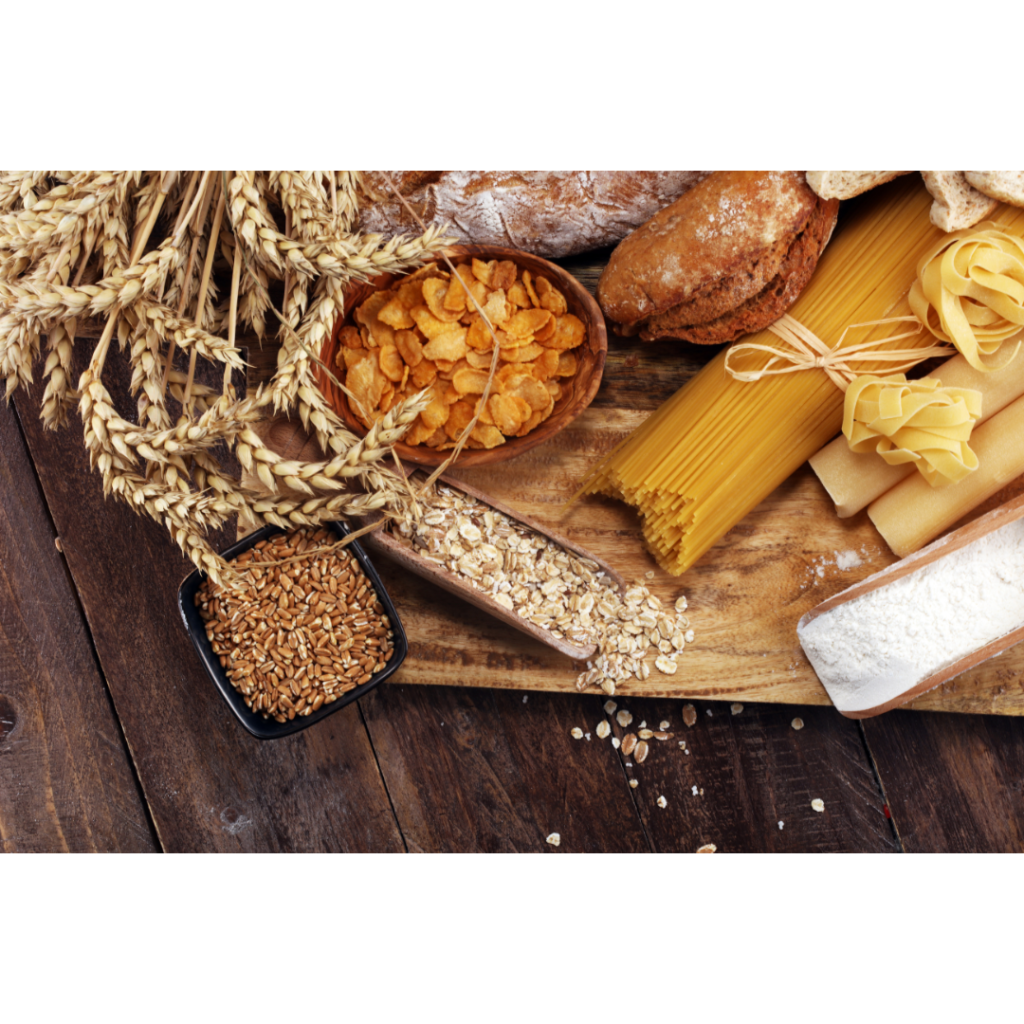
Carbohydrates: Carbohydrates are the body’s primary source of energy. Choose complex carbohydrates such as whole grains, fruits, and vegetables over refined carbohydrates. These provide sustained energy, fiber, and essential nutrients.
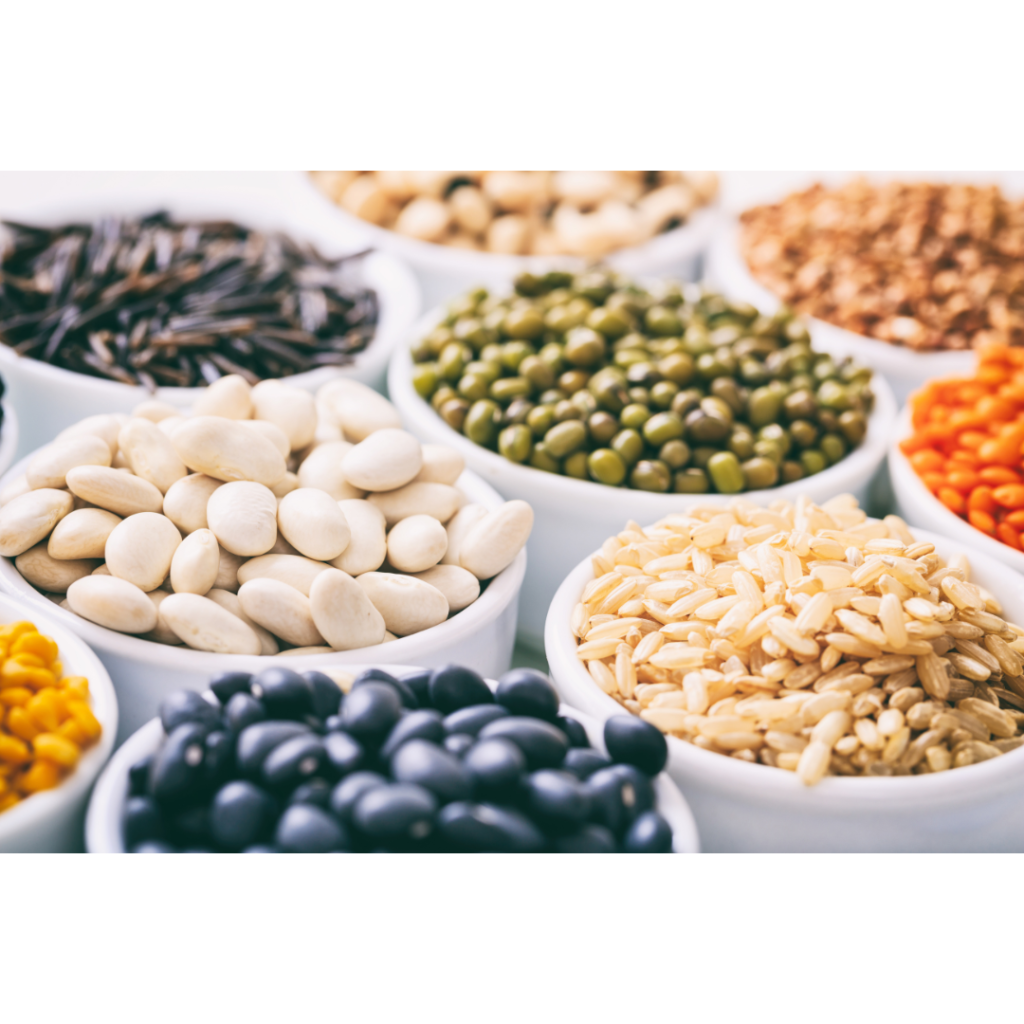
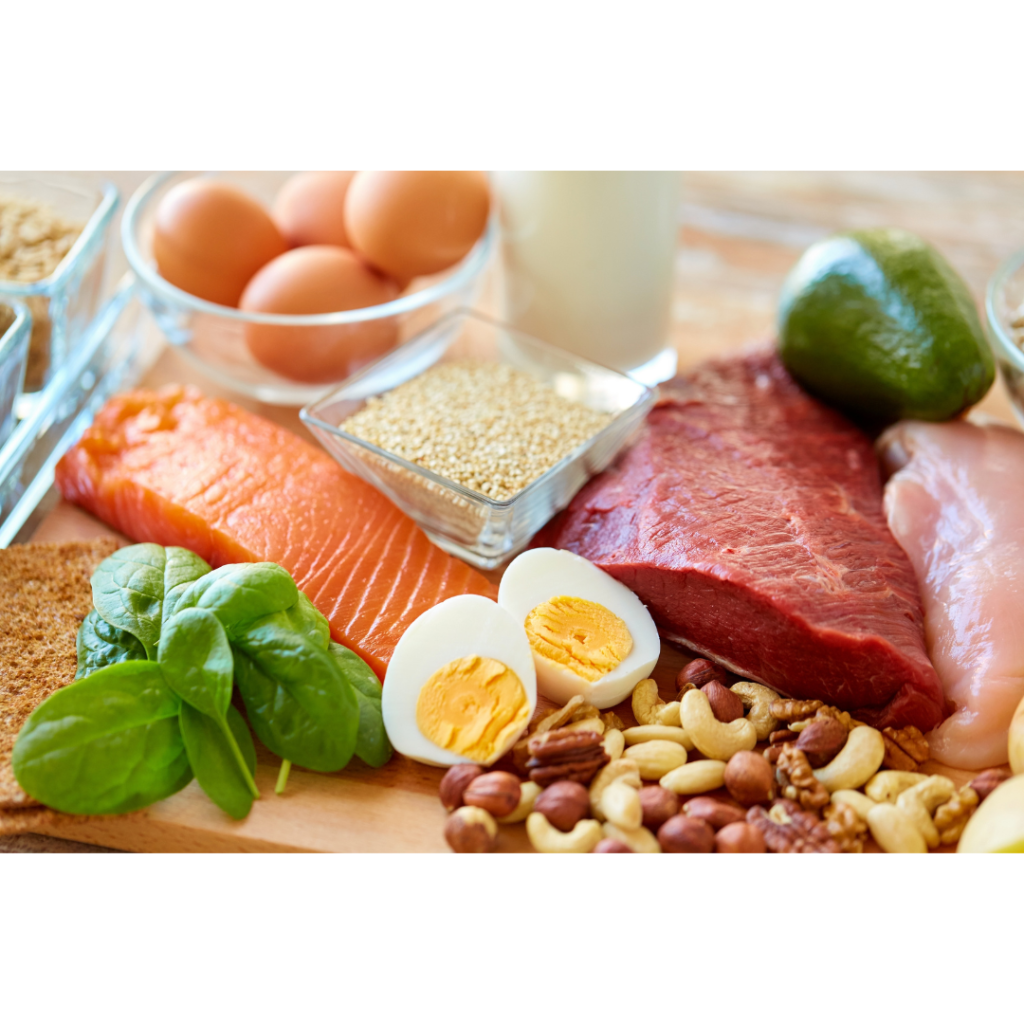
Proteins: Proteins are essential for building and repairing tissues, supporting immune function, and producing enzymes and hormones. Include a variety of lean protein sources such as poultry, fish, legumes, nuts, and seeds in your diet.
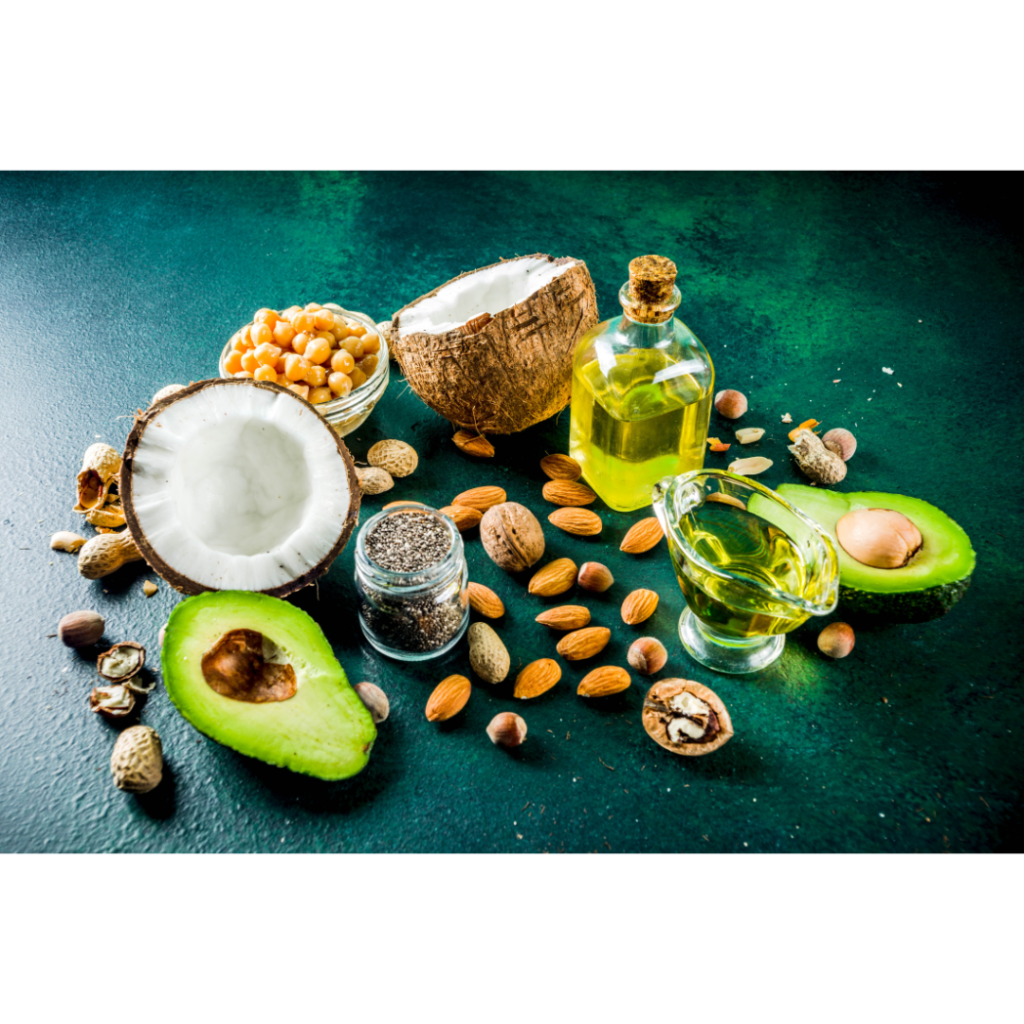
Fats: Healthy fats are necessary for hormone production, brain health, and nutrient absorption. Incorporate sources of monounsaturated and polyunsaturated fats, such as avocados, olive oil, nuts, and fatty fish, while minimizing saturated and trans fats.

Vitamins and Minerals: Vitamins and minerals are vital for maintaining various bodily functions. Eat a diverse range of fruits, vegetables, whole grains, and nuts to ensure you receive a wide array of essential vitamins and minerals.
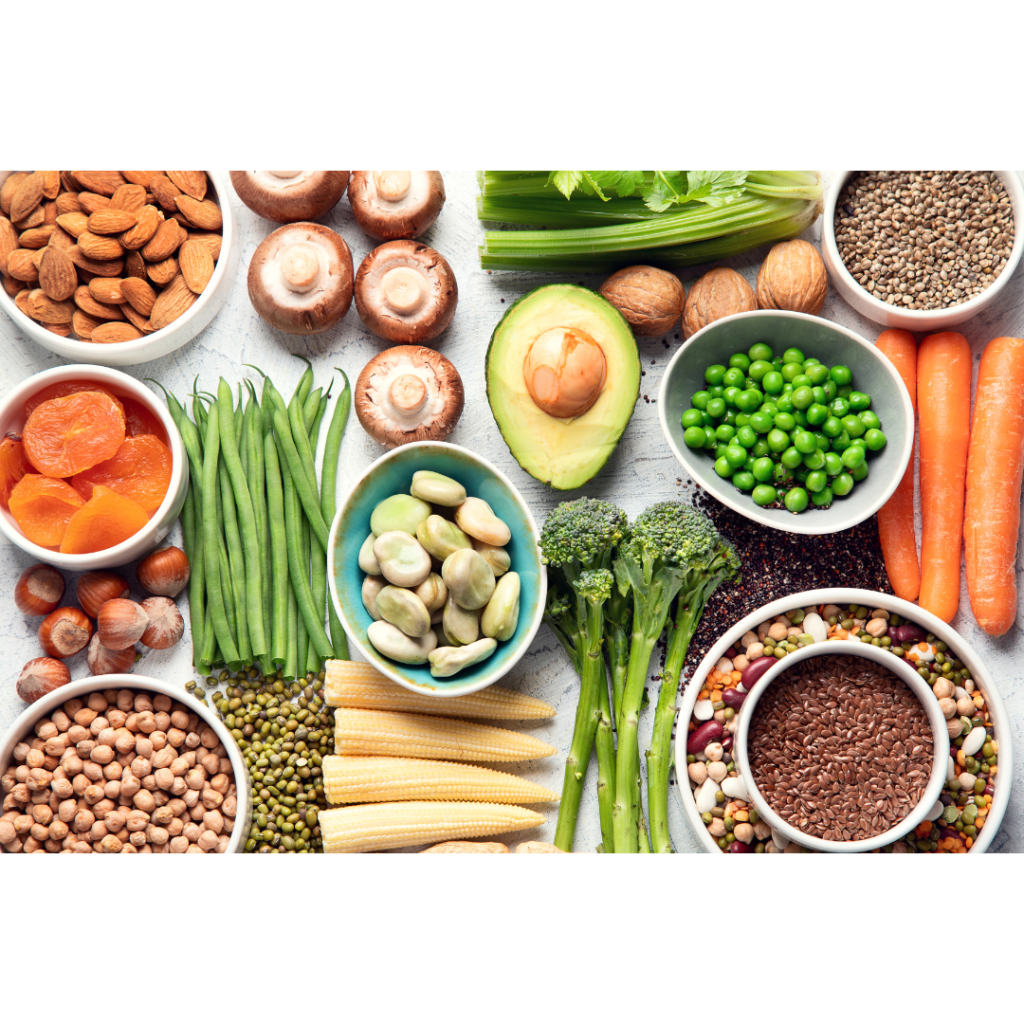

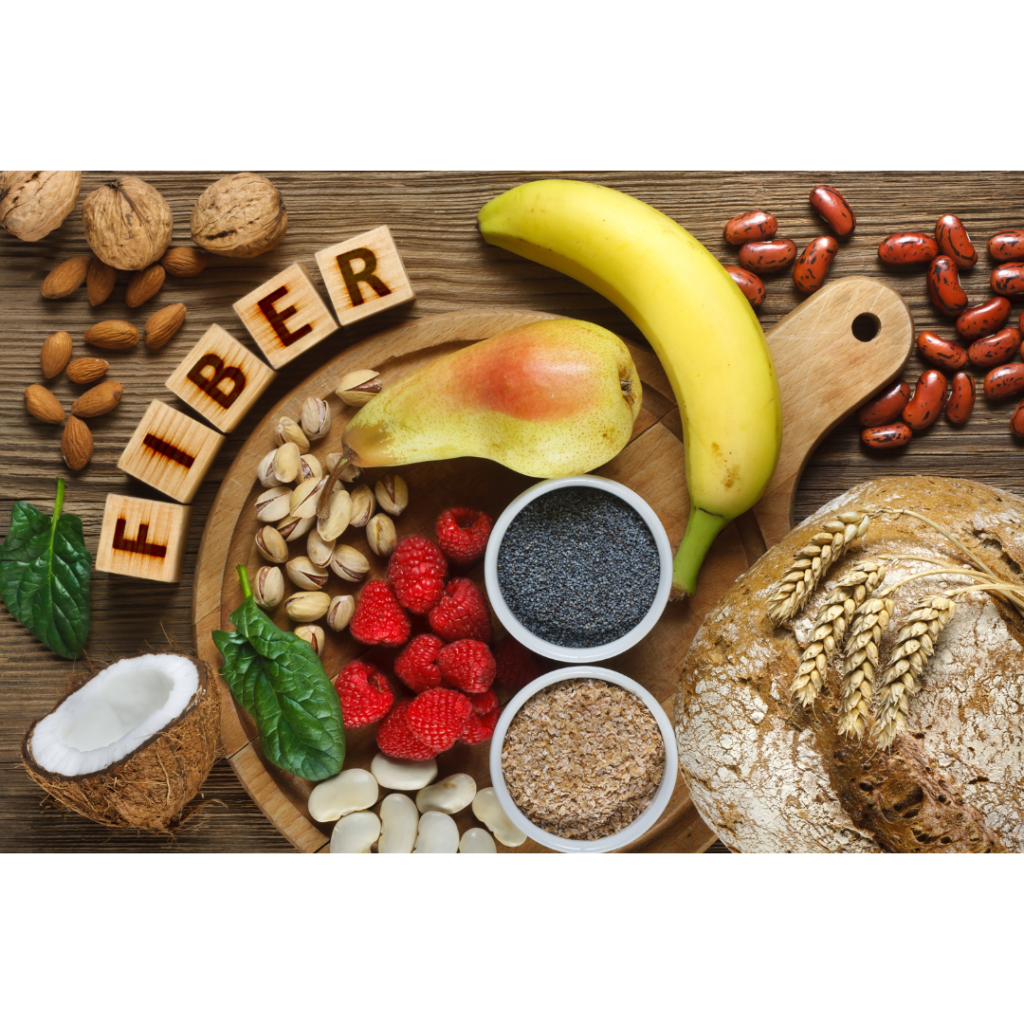
Fiber: Fiber plays a crucial role in digestive health, regulating blood sugar levels, and maintaining healthy cholesterol levels. Include fiber-rich foods such as whole grains, legumes, fruits, and vegetables in your meals.
Hydration: Staying properly hydrated is essential for overall health. Drink an adequate amount of water throughout the day and limit sugary beverages. Hydrating foods like fruits and vegetables can also contribute to your daily water intake.


Healthy Eating Habits:
In addition to choosing nutritious foods, adopting healthy eating habits is important. Practice mindful eating, listen to your body’s hunger and fullness cues, avoid emotional eating, and prioritize regular meals and snacks.
Key takeaways
Nutrition and healthy eating are integral to maintaining overall wellness and vitality. By adopting a balanced diet that includes a variety of nutrient-dense foods, staying hydrated, and practicing healthy eating habits, we can support our bodies’ optimal functioning, enhance energy levels, and reduce the risk of chronic diseases. Remember, nourishing your body through proper nutrition is an act of self-care and an investment in your long-term health and wellbeing.
