Eating for Chronic Pain: Nourishing Your Body for Relief and Well-being
Chronic pain can significantly impact one’s quality of life, but making thoughtful dietary choices can play a crucial role in managing and reducing pain symptoms. This article delves into the relationship between nutrition and chronic pain, highlighting well-researched strategies and key dietary factors that can support pain management, reduce inflammation, and promote overall well-being.
The Link Between Diet and Chronic Pain
Research has shown that certain foods and dietary patterns can influence inflammation levels, which can either exacerbate or alleviate chronic pain symptoms. By understanding the connection between diet and inflammation, individuals can make informed choices to support their pain management goals.
Anti-Inflammatory Foods
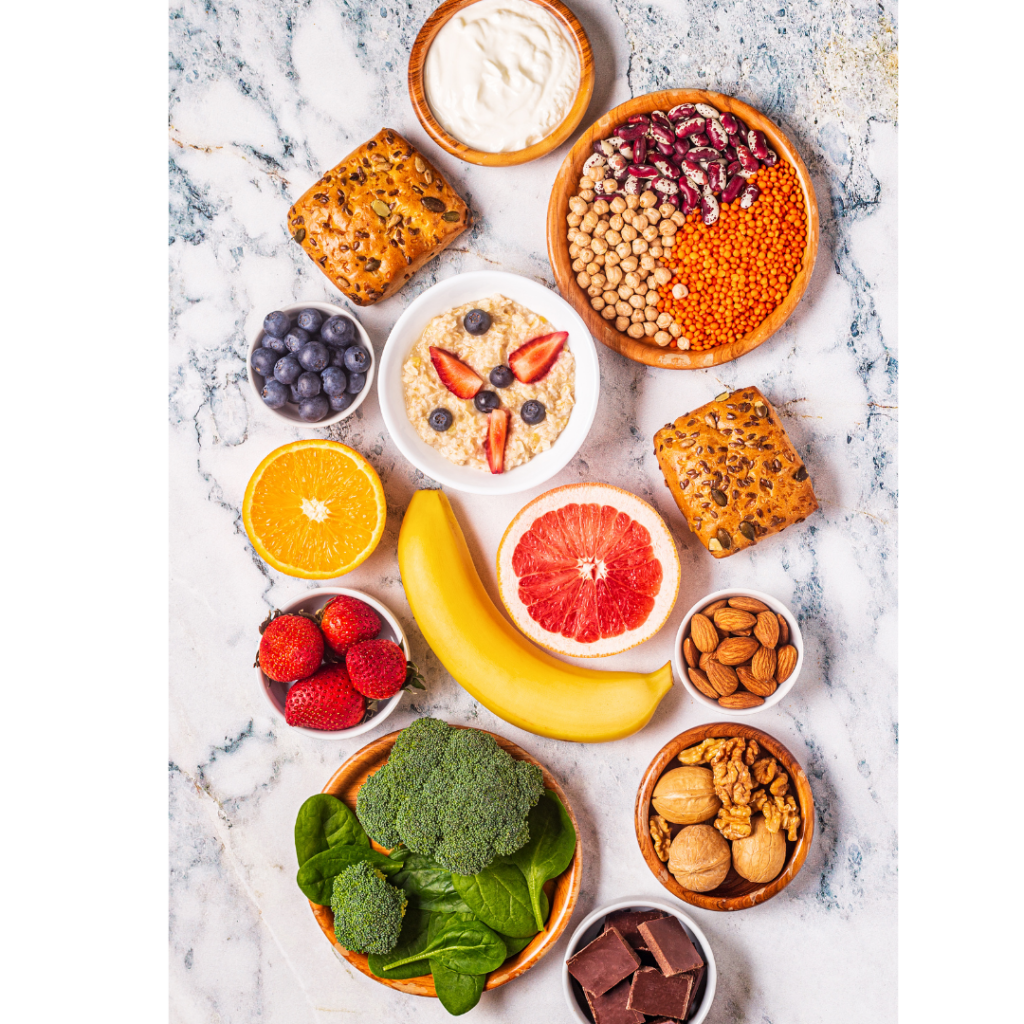
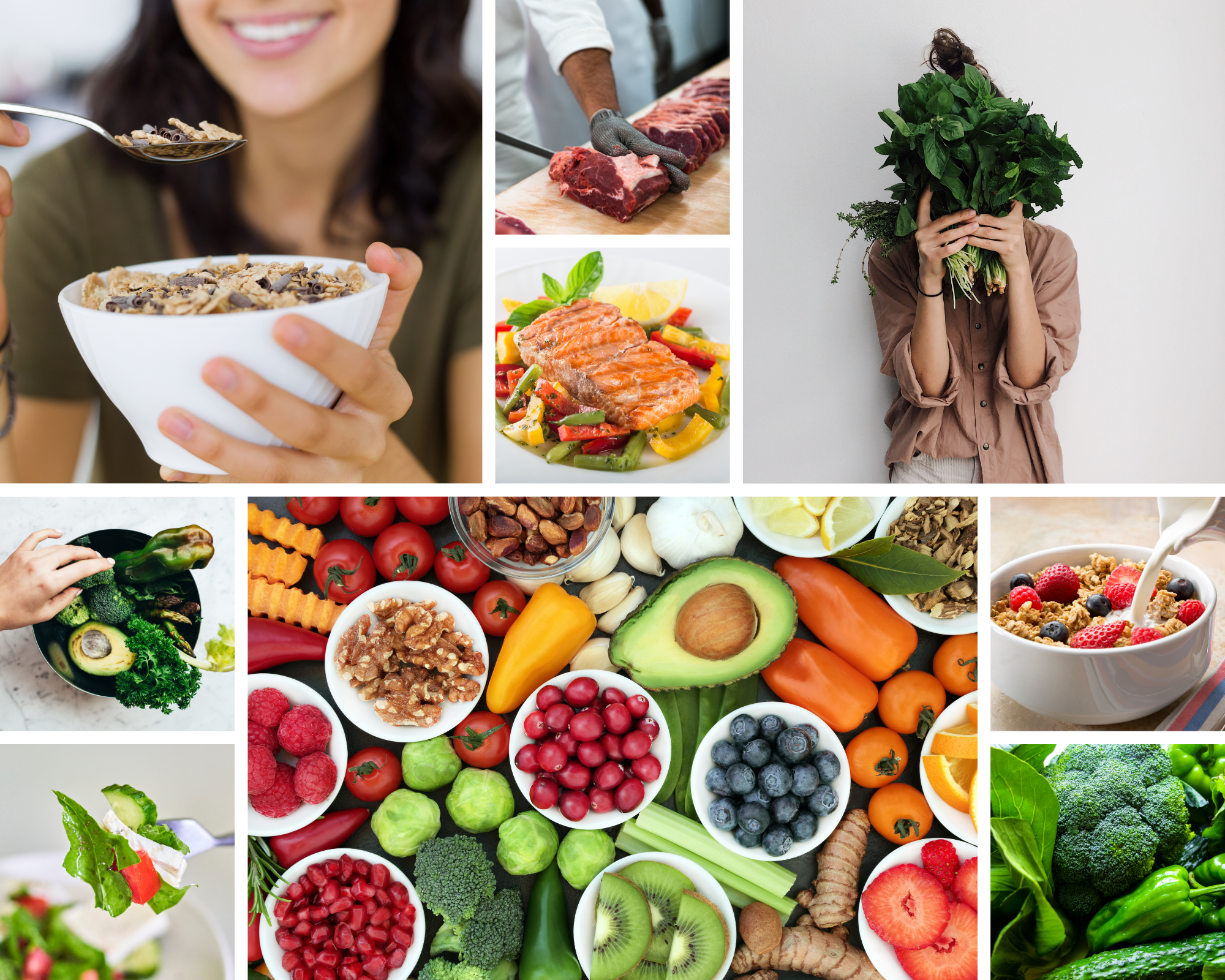
Incorporating anti-inflammatory foods into the diet can be beneficial for individuals with chronic pain. These foods typically include fruits, vegetables, whole grains, fatty fish rich in omega-3 fatty acids (e.g., salmon, mackerel), nuts, seeds, and healthy oils (e.g., olive oil). Consuming these foods can help reduce inflammation and provide essential nutrients that support overall health.
Omega-3 Fatty Acids
Omega-3 fatty acids, particularly eicosapentaenoic acid (EPA) and docosahexaenoic acid (DHA), have been shown to possess anti-inflammatory properties. Incorporating sources of omega-3 fatty acids, such as fatty fish, walnuts, flaxseeds, and chia seeds, into the diet may help alleviate chronic pain symptoms and promote joint health.
Antioxidants
Antioxidants are compounds found in various foods that help combat oxidative stress and inflammation in the body. Colorful fruits and vegetables, including berries, leafy greens, tomatoes, and citrus fruits, are rich in antioxidants. Additionally, herbs and spices like turmeric, ginger, and cinnamon contain potent anti-inflammatory properties and can be beneficial for managing chronic pain.
Fiber and Gut Health
A diet rich in fiber can support gut health, which plays a crucial role in overall well-being. Whole grains, legumes, fruits, and vegetables are excellent sources of dietary fiber. Maintaining a healthy gut microbiome through a fiber-rich diet may positively influence pain perception and inflammation levels.
Hydration
Proper hydration is essential for overall health and can also impact pain management. Staying adequately hydrated supports joint function, nutrient absorption, and detoxification processes. Drinking an adequate amount of water throughout the day is crucial for individuals with chronic pain.
Mindful Eating
Practicing mindful eating involves paying attention to physical hunger cues, eating slowly, and savoring each bite. By fostering a mindful eating approach, individuals with chronic pain can better connect with their body’s signals and make choices that support their unique needs.
Individualized Approach
It is essential to recognize that every individual’s experience with chronic pain is unique. While certain dietary strategies may generally benefit many individuals, it is vital to tailor dietary choices to personal needs, preferences, and any specific medical conditions. Consulting with healthcare professionals or registered dietitians can provide personalized guidance.
Key takeaways
Eating for chronic pain involves adopting a balanced and anti- inflammatory approach to nutrition. By incorporating anti-inflammatory foods, omega-3 fatty acids, antioxidants, fiber, and practicing mindful eating, individuals can optimize their diet to support pain management, reduce inflammation, and promote overall well-being. Remember, consulting with healthcare professionals is important for personalized advice and guidance on nutrition and chronic pain management.